

Aug 6, 2026
Submitted by:
Wellness Counseling
70 Park Street, Suite 208, Montclair
media@wellnesscounselingbc.com
551-310-3020
As summer winds down, many families begin preparing for a new school year by shopping for supplies, adjusting sleep schedules, and filling in the calendar with sports, activities, and school events. While these routines help children get ready for the classroom, it’s equally important to prepare for the emotional transition that comes with returning to school.
It’s completely normal for children and teens to feel nervous about a new school year. A new teacher, different classmates, unfamiliar routines, or increased academic expectations can all bring about feelings of uncertainty. For most children, these worries fade as they settle back into their routine.
However, for some children and teens, back-to-school anxiety goes beyond first-day jitters. When anxiety begins affecting sleep, friendships, family life, or the ability to attend school, it may be time to take a closer look.
Recognizing the signs early can make a meaningful difference—not only in helping your child feel supported today, but also in building healthy coping skills that benefit them long after the school year begins.
Understanding Back-to-School Anxiety
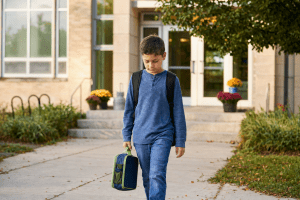
Back-to-school anxiety refers to the stress or worry children and teens may experience before or during the transition back to school. These feelings can stem from many different concerns, including:
- Fear of being separated from parents or caregivers
- Worry about making friends or fitting in
- Academic pressure or fear of failure
- Social anxiety
- Bullying or past negative school experiences
- Changes in routine after a relaxed summer schedule
- Starting a new school or moving to a different grade
Anxiety is not always obvious. While some children openly express their worries, others may struggle to put their feelings into words. Instead, anxiety often appears through changes in behavior or physical symptoms.
The “Backpack Check”: Looking Beyond What You Can See
Before your child walks out the door with a backpack full of school supplies, consider what they may be carrying emotionally.
Some children carry excitement.
Others carry uncertainty.
Some carry worries they don’t yet know how to explain.
As parents, we naturally check backpacks for completed homework, permission slips, and lunchboxes. Taking a moment to check in emotionally can be just as important.
Simple questions can open the door to meaningful conversations:
- What are you most looking forward to this year?
- Is there anything you’re worried about?
- What’s one thing that would help you feel more confident tomorrow?
- If you had a difficult day, who at school could you talk to?
These conversations don’t need to solve every problem. Often, simply knowing that someone is listening helps children feel safer expressing difficult emotions.
Signs Your Child May Be Experiencing More Than Typical Nervousness
While every child is different, persistent anxiety may show up in ways that aren’t immediately connected to school.
Some common signs include:
Physical Complaints
Children experiencing anxiety often report:
- Frequent stomachaches
- Headaches
- Nausea
- Fatigue
- Difficulty sleeping
These symptoms are very real, even when no medical cause is found.
Emotional Changes
You may notice your child becoming:
- More irritable than usual
- Easily overwhelmed
- Tearful
- Withdrawn
- Extra clingy before school
Behavioral Changes
Watch for behaviors such as:
- Refusing to get ready for school
- Frequent requests to stay home
- Avoiding homework
- Increased conflict during morning routines
- Loss of interest in activities they previously enjoyed
When School Refusal May Signal Anxiety
Many parents wonder whether their child is simply avoiding school or experiencing something more significant.
School refusal is not the same as occasionally wanting an extra day at home.
Children experiencing school refusal often feel genuine emotional distress about attending school. They may become extremely upset the night before, experience panic symptoms in the morning, or repeatedly ask to stay home because school feels overwhelming.
Responding with empathy while maintaining consistent expectations is often more effective than relying solely on discipline or reassurance.
If school refusal continues for several days or begins interfering with your child’s education, reaching out to a mental health professional can help identify the underlying cause and develop supportive strategies.
How Parents Can Support Their Child During the Transition
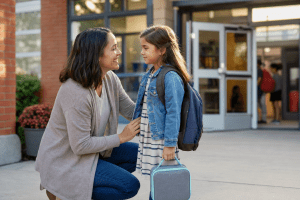
There isn’t one perfect approach, but small, consistent actions can make a meaningful difference.
Re-establish Routines Early
Begin adjusting bedtime, wake-up times, and daily schedules one to two weeks before school starts. Predictable routines often help reduce anxiety by creating a sense of stability.
Focus on Listening Before Problem-Solving
When children express worries, our first instinct is often to reassure them or immediately offer solutions.
Instead, try validating their feelings first.
For example:
“It makes sense that you’re nervous about meeting a new teacher.”
Feeling understood can help children become more open to discussing ways to cope.
Create a Calm After-School Routine
Many children need time to decompress after holding themselves together throughout the school day.
Rather than jumping immediately into homework or asking a series of questions, consider giving them a few quiet minutes to relax before talking about their day.
A snack, a short walk, or simply sitting together can help children transition more comfortably from school to home.
Celebrate Small Wins
Not every success needs to be a perfect day.
Celebrate moments like:
- Walking into school despite feeling nervous
- Introducing themselves to a new classmate
- Asking for help
- Trying something new
Confidence grows through small successes repeated over time.
When Therapy May Help
Every child experiences challenges differently.
If anxiety begins interfering with your child’s ability to attend school, participate in daily activities, maintain friendships, or enjoy life, therapy can provide additional support.
Working with a therapist gives children a safe space to understand their emotions, develop healthy coping skills, and build confidence in managing stressful situations.
Parents also gain practical tools to better support their child at home, creating a collaborative approach that extends beyond the therapy session.
For many families, addressing concerns early can help prevent anxiety from becoming more overwhelming over time.
Frequently Asked Questions
Is back-to-school anxiety normal?
Yes. It’s common for children and teens to feel nervous before returning to school. These feelings often improve as routines become familiar again. If anxiety becomes persistent or interferes with daily life, additional support may be helpful.
How can I tell if my child needs therapy?
Consider seeking support if anxiety significantly affects sleep, school attendance, relationships, or your child’s overall well-being. A therapist can help determine whether your child’s experiences are part of a typical adjustment or something that would benefit from professional care.
Can therapy help with school refusal?
Yes. Therapy can help identify the underlying causes of school refusal, teach coping strategies, and support both children and parents in creating a plan for returning to school with greater confidence.
Is online therapy available for teens?
Depending on your child’s needs and age, telehealth may be an effective option. Virtual sessions can make it easier to fit therapy into busy school schedules while providing consistent support from a familiar environment.
Helping Your Child Start the School Year with Confidence
Every new school year brings opportunities for growth—but it can also bring uncertainty.
If your child is struggling with anxiety, remember that you don’t have to navigate it alone. With understanding, supportive conversations, and the right resources, children and teens can learn to manage anxiety while building resilience that extends far beyond the classroom.
Sometimes the most important thing we can offer isn’t having all the answers—it’s making sure our children know they don’t have to face challenges by themselves.
Help Your Child Navigate the School Year with Confidence
If your child is experiencing back-to-school anxiety, school refusal, or ongoing worries that are affecting daily life, compassionate support is available.
At Wellness Counseling, our experienced therapists work with children, teens, and families to help young people build healthy coping skills, strengthen resilience, and feel more confident both inside and outside the classroom.
Whether you’re looking for in-person counseling or the flexibility of telehealth, we’re here to support your family’s journey.